Hip Arthritis
Hip Arthritis
Hip arthritis can make everyday movement painful, limiting your ability to walk, exercise, climb stairs, or simply enjoy the activities you love. At Orthopedic Centers of Colorado, our orthopedic hip specialists provide comprehensive care for hip arthritis, from early diagnosis and nonsurgical treatment to advanced surgical options when necessary.
Hip arthritis occurs when inflammation or deterioration within the hip joint damages the cartilage and other joint structures responsible for smooth movement. Osteoarthritis is the most common form of hip arthritis, but rheumatoid arthritis, post-traumatic arthritis, and other conditions can also affect the hip. Our goal is to identify the cause of your hip pain and develop a personalized treatment plan that helps reduce symptoms, preserve mobility, and improve your quality of life.
Comprehensive Hip Arthritis Care
Evaluation and Diagnosis: Hip pain can have many causes, so an accurate diagnosis is an important first step. Your OCC specialist will review your symptoms and medical history and evaluate your hip’s movement, strength, and function. Diagnostic imaging such as X-rays may be used to look for changes within the joint associated with hip arthritis.
Nonsurgical Treatment: Many patients with hip arthritis can manage their symptoms without surgery, particularly during the earlier stages of the condition. Treatment may include activity modification, physical therapy, exercise, weight management when appropriate, medications, assistive devices, or injections. Your treatment plan will depend on the type and severity of your arthritis, your overall health, and your personal goals.
Physical Therapy and Movement: Maintaining strength and mobility can be an important part of managing hip arthritis. Physical therapy and individualized exercises may help improve flexibility, strengthen the muscles supporting the hip, reduce pain, and make everyday movement easier.
Injection Therapy: For some patients, an image-guided corticosteroid injection may provide temporary relief from pain and inflammation. Your orthopedic specialist can determine whether an injection is appropriate based on your diagnosis and previous treatments.
Surgical Treatment: When it becomes severe and nonsurgical treatments no longer provide adequate relief, surgery may be considered. For patients with advanced joint damage, total hip replacement can reduce pain and restore function by replacing damaged portions of the joint with artificial components.
Symptoms of Hip Arthritis
Hip arthritis often develops gradually, and symptoms may become more noticeable over time. Common symptoms can include:
- Pain in the groin, hip, thigh, or buttock
- Pain that may extend toward the knee
- Hip stiffness, especially after sitting or resting
- Morning stiffness
- Pain with walking or prolonged standing
- Difficulty climbing stairs
- Reduced range of motion
- Difficulty bending or putting on shoes and socks
- Limping or changes in the way you walk
- Grinding, catching, or stiffness within the hip
- Pain that begins to occur at rest or during the night
Because hip arthritis symptoms can overlap with other orthopedic conditions, an evaluation by a hip specialist can help determine the source of your pain.
Types of Hip Arthritis We Treat
Orthopedic Centers of Colorado evaluates and treats multiple forms of arthritis and degenerative conditions affecting the hip, including:
- Hip Osteoarthritis
- Rheumatoid Arthritis
- Inflammatory Arthritis
- Post-Traumatic Arthritis
- Arthritis Following Previous Hip Injury
- Degenerative Hip Joint Disease
Hip Osteoarthritis
Hip osteoarthritis is the most common form of hip arthritis. It develops as the smooth cartilage covering the surfaces of the hip joint deteriorates. As cartilage is lost, movement can become increasingly painful and the joint may become stiff.
Symptoms often progress gradually and may eventually interfere with walking, exercise, work, sleep, and other everyday activities.
Hip Arthritis Treatment Options
Treatment for hip arthritis is based on your symptoms, the severity of joint damage, and how much the condition affects your daily life. OCC’s orthopedic specialists focus on finding the most appropriate level of treatment for each patient.
Nonsurgical hip arthritis treatment may include:
- Activity modification
- Low-impact exercise
- Physical therapy
- Strength and flexibility exercises
- Weight management when appropriate
- Anti-inflammatory or pain-relieving medications when medically appropriate
- Assistive devices
- Corticosteroid injections
When conservative treatment no longer adequately controls symptoms and arthritis has significantly damaged the hip joint, your orthopedic surgeon may discuss surgical options.
Patient-Centered Care for Hip Arthritis
At Orthopedic Centers of Colorado, treating hip arthritis isn’t simply about an X-ray or diagnosis. It’s about understanding how hip pain affects your life and finding a treatment plan that supports the activities and goals that matter to you.
Our orthopedic specialists work with you to explore appropriate nonsurgical and surgical options, answer your questions, and adjust your treatment as your needs change. Whether you’re experiencing the first signs of hip arthritis or managing advanced joint damage, our goal is to help you move with less pain and maintain an active, independent lifestyle.
Hip Arthritis Physicians
Hip Arthritis Locations
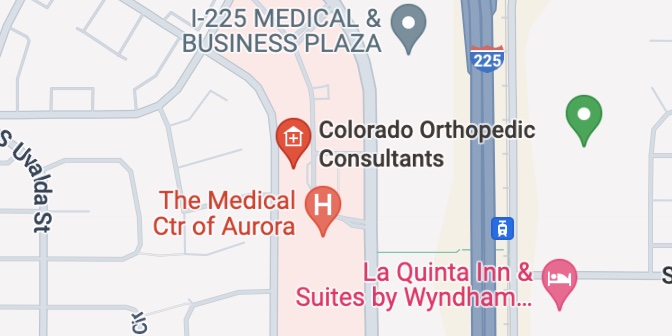
Aurora Med Center
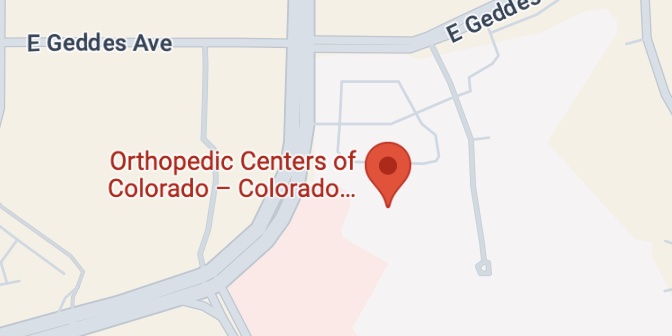
Aurora Southlands
CO Springs Briargate
CO Springs South Lake
Denver Lowry
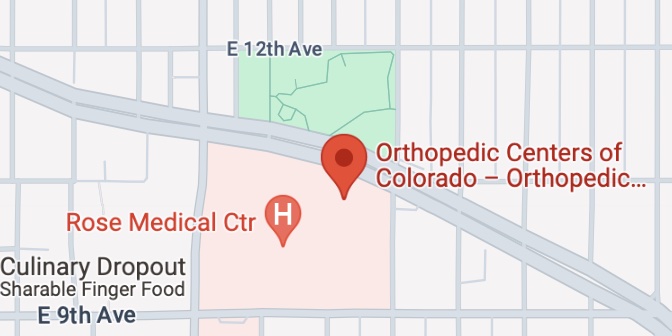
Denver Rose/Cherry Creek Orthopedic Clinic
Denver Tech Center
Golden Lutheran
Parker Lone Tree
Superior Orthopedic Clinic