
Common Causes of Back Pain in Colorado’s Outdoorsy Lifestyle
Colorado living comes with its perks—bluebird ski days, scenic hikes, and weekends spent exploring the outdoors. But with that active lifestyle also comes a common complaint: back pain.
From carrying heavy backpacks on the trail to repetitive strain on the slopes, many Coloradans experience discomfort in their lower back without realizing what’s causing it—or when it’s time to seek care.
Let’s break down some of the most common causes of back pain and how to protect your spine while still enjoying everything Colorado has to offer.
The Link Between Colorado Living and Back Pain
Whether you’re hiking a 14er, skiing fresh powder, or even just staying active around town, your spine is constantly working to support movement, balance, and load.
The lumbar spine—or lower back—is especially vulnerable. It absorbs impact, stabilizes your core, and supports added weight like backpacks or gear. Over time, repetitive stress or improper mechanics can lead to pain or injury.
This is why we often see an increase in lower back pain from hiking and other outdoor activities across Colorado.
1. Heavy Backpacks and Improper Load Distribution
Colorado’s trails are beautiful—but they can be demanding. Carrying a heavy or poorly fitted backpack is one of the most common contributors to lower back pain.
Why it matters:
- Uneven weight distribution strains the lumbar spine
- Poor posture (leaning forward) increases spinal pressure
- Long hikes amplify small imbalances over time
What to watch for:
- Aching or tightness in the lower back during or after hikes
- Pain that worsens with longer distances or elevation gain
Prevention tips:
- Use a backpack with proper hip support
- Keep weight close to your center of gravity
- Strengthen your core to better support your spine
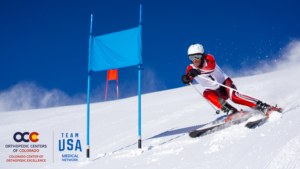
2. Skiing, Snowboarding, and Repetitive Impact
Winter sports are a huge part of life here —but they can take a toll on your back, especially if your form or conditioning isn’t optimal.
Common causes:
- Sudden twists or falls
- Repetitive flexion and extension of the spine
- Weak core muscles leading to overcompensation
Skiers and snowboarders often experience strain in the lumbar region, especially after long days on the mountain.
If pain lingers beyond a few days, it may be time to explore back injury treatment options with a specialist.
3. Lifting Gear, Bikes, and Everyday Strain
Not all back injuries happen on the trail or slopes. Simple movements—like loading skis into your car, lifting a mountain bike, or even shoveling snow—can trigger injury when done improperly.
High-risk movements:
- Twisting while lifting
- Lifting heavy items without engaging your core
- Repetitive bending without proper support
These movements can lead to muscle strain, disc irritation, or more serious lumbar spine conditions.
4. Overuse and Lack of Recovery
Colorado’s active culture often means back-to-back activity days—hiking one day, skiing the next, and maybe a workout class in between.
Without proper recovery, your spine and supporting muscles don’t get the time they need to heal.
Signs of overuse:
- Persistent soreness or stiffness
- Pain that returns quickly after activity
- Decreased mobility or flexibility
Incorporating rest days, stretching, and mobility work is essential for long-term spinal care in Colorado’s active population.
When to Seek Care for Back Pain
Not all back pain requires medical attention—but some symptoms shouldn’t be ignored.
Consider seeing a specialist if you experience:
- Pain lasting more than 1–2 weeks
- Radiating pain into the legs
- Numbness, tingling, or weakness
- Difficulty with daily activities
A spine orthopedic specialist can evaluate your symptoms, identify the root cause, and recommend a personalized treatment plan.
Treatment Options for Lower Back Pain
At OCC, we take a comprehensive approach to back injury treatment, focusing on both relief and long-term function.
Depending on your condition, treatment may include:
- Physical therapy to improve strength and mobility
- Imaging for accurate diagnosis
- Non-surgical interventions such as injections
- Surgical care when necessary
Our goal is to help you return to the activities you love—safely and confidently.
Stay Active, Stay Supported
Living in Colorado means staying active—and your spine plays a key role in making that possible.
By understanding the common causes of lower back pain from hiking and other outdoor activities, you can take proactive steps to protect your body and prevent injury.
If pain is holding you back, the right care can make all the difference.
Ready to get back to what you love?
Schedule an appointment with one of our spine specialists today and take the first step toward better spinal health.