
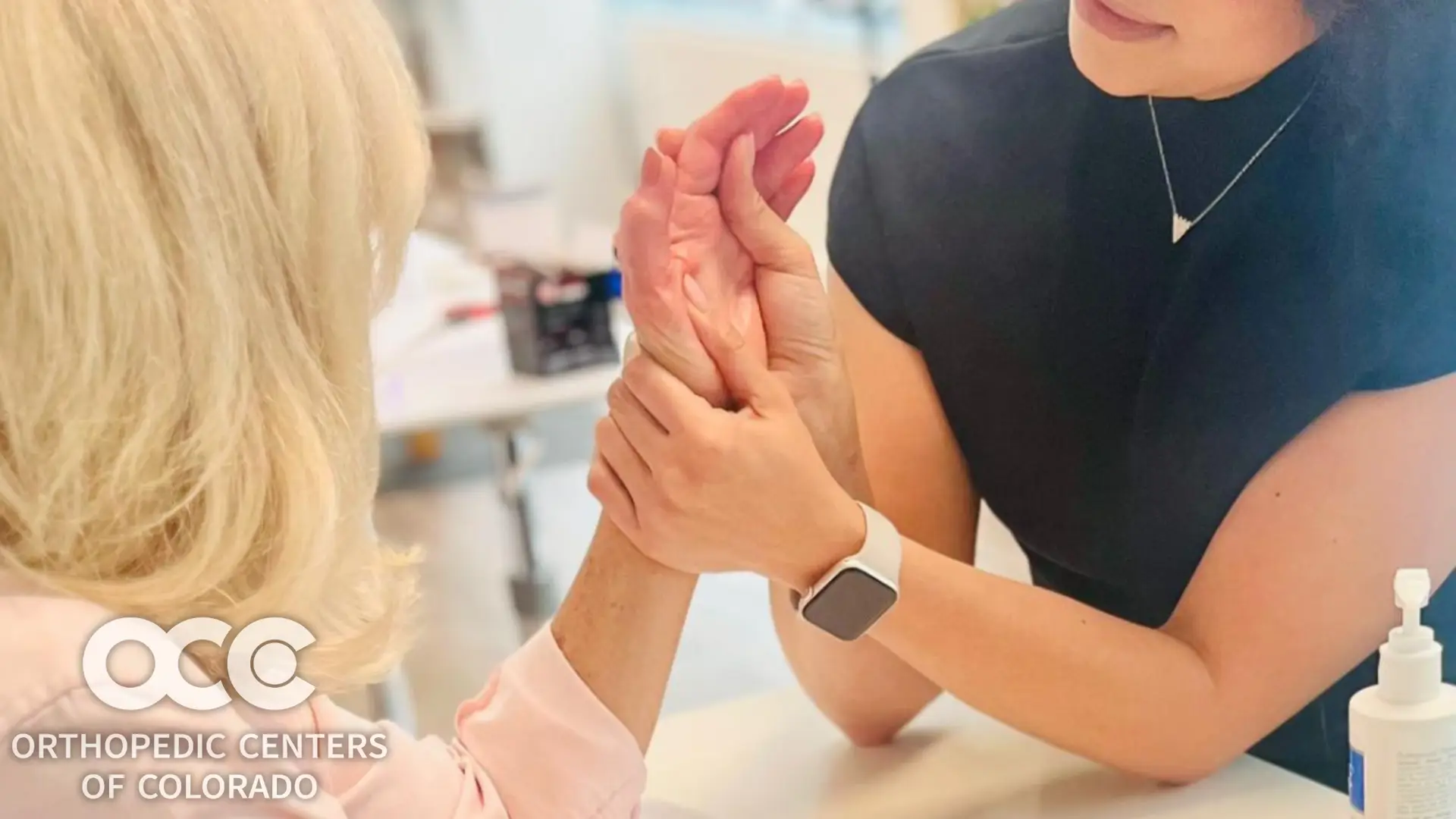
Our hands play a role in nearly everything we do, from working and exercising to cooking, driving, and completing everyday tasks. When an injury, surgery, or chronic condition affects the hand, wrist, or upper extremity, even simple activities can become difficult.
Hand therapy is a specialized form of rehabilitation designed to help restore movement, strength, coordination, and function following an injury or procedure. For patients seeking occupational hand therapy in Colorado, working with a skilled hand therapy team can be an important part of returning to daily activities safely and confidently.
What Is Hand Therapy?
Hand therapy is a specialized area of rehabilitation focused on conditions affecting the hands, wrists, forearms, elbows, and, in some cases, the broader upper extremity.
A hand rehab specialist uses targeted exercises, hands-on techniques, education, and customized treatment strategies to help patients regain function while protecting healing tissues.
Depending on the condition and stage of recovery, hand therapy may focus on:
- Improving range of motion and flexibility
- Rebuilding strength and endurance
- Reducing stiffness and swelling
- Managing pain and sensitivity
- Improving fine motor skills, coordination, and dexterity
- Managing scar tissue after surgery
- Creating or fitting custom splints and orthoses when appropriate
- Helping patients safely return to work, sports, hobbies, and everyday activities
Treatment is individualized because no two hand injuries—or patients—recover exactly the same way.
Who Can Benefit From Hand Therapy?
Hand therapy may be recommended for a wide range of orthopedic injuries and conditions. Some patients begin therapy after surgery, while others may use rehabilitation as part of a nonsurgical treatment plan.
Conditions that may benefit from hand therapy include:
- Hand, wrist, or finger fractures
- Tendon and ligament injuries
- Carpal tunnel syndrome and other nerve conditions
- Arthritis affecting the hand or wrist
- Joint stiffness or loss of motion
- Sports-related hand and wrist injuries
- Work-related or repetitive-use injuries
- Traumatic injuries involving the upper extremity
- Recovery following orthopedic hand or wrist surgery
The goal extends beyond treating the injured area itself. Effective rehabilitation considers how an injury affects a patient’s ability to perform the activities that matter most in their daily life.
The Role of Hand Therapy After Surgery
Surgery may repair the underlying problem, but rehabilitation often plays an essential role in helping patients regain function afterward.
Post-surgery hand therapy is designed to support the healing process while gradually restoring mobility and strength. Depending on the procedure, therapy may begin relatively soon after surgery or after an initial period of healing.
A therapist works closely with the patient’s physician and surgical team to follow appropriate precautions and progress treatment at a safe pace.
Postoperative hand therapy may include controlled movement exercises, swelling management, scar management, strengthening, splinting, and education about safely using the affected hand during recovery.
Following the recommended rehabilitation plan is especially important after hand surgery. Doing too much too soon can place unnecessary stress on healing tissues, while avoiding movement for too long may contribute to stiffness and loss of function. A structured therapy program helps patients find the appropriate balance.
What to Expect During Hand Rehabilitation
The rehabilitation process typically begins with an evaluation. A therapist may assess range of motion, strength, swelling, pain, sensation, coordination, and the ability to complete specific daily activities.
From there, an individualized treatment plan is developed based on the patient’s diagnosis, goals, lifestyle, and stage of healing.
Early treatment may focus on controlling swelling, protecting the injured area, and restoring safe movement. As healing progresses, therapy can advance to strengthening, coordination, endurance, and more functional activities.
For example, someone returning to an office job may need to regain comfort and endurance for typing, while an athlete may need grip strength and stability to return to competition. A construction worker or tradesperson may require a different rehabilitation plan focused on safely handling tools and completing physically demanding tasks.
This individualized approach is one of the key benefits of working with a specialized hand therapy team.
Why Specialized Hand Therapy Matters
The hand and wrist contain a complex network of bones, joints, muscles, tendons, ligaments, nerves, and blood vessels working together to create precise movement.
Because of this complexity, rehabilitation after a hand or wrist injury often requires specialized knowledge.
A hand rehab specialist understands both the anatomy of the upper extremity and the specific demands placed on healing tissues after an injury or surgical procedure. Therapy can then be carefully progressed based on the patient’s condition and recovery.
Specialized rehabilitation can also help identify challenges that may otherwise interfere with recovery, such as persistent stiffness, swelling, weakness, scar sensitivity, or difficulty performing certain movements.
Regaining Strength Takes Time
One of the most common questions patients have is: How long will it take for my hand to feel normal again?
There is no single timeline.
Recovery depends on several factors, including the type and severity of the injury, whether surgery was required, the tissues involved, the patient’s overall health, and how consistently rehabilitation recommendations are followed.
Some patients may notice meaningful improvements within weeks, while recovery from more complex injuries or surgeries may take several months.
Progress is not always perfectly linear. Strength, flexibility, and confidence often return gradually. Consistency with therapy appointments and recommended home exercises can help support continued improvement throughout the recovery process.
When Should You Consider Seeing a Hand Specialist?
Persistent hand or wrist symptoms should not always be ignored, particularly when they begin interfering with everyday activities.
Consider seeking an orthopedic evaluation if you experience:
- Ongoing pain that does not improve
- Persistent swelling
- Numbness or tingling
- Weakness or difficulty gripping objects
- Limited movement in the fingers, hand, or wrist
- Difficulty completing normal work or daily activities
- Symptoms that continue following an injury
Early evaluation can help determine the cause of symptoms and identify an appropriate treatment plan. Depending on the diagnosis, treatment may include activity modification, bracing, medication, injections, therapy, or surgery.
Occupational Hand Therapy in Colorado at Orthopedic Centers of Colorado
Recovering from a hand or wrist injury is about more than improving a measurement on a strength test. It is about getting back to the activities that make up your everyday life.
At Orthopedic Centers of Colorado, our orthopedic specialists and rehabilitation teams work together to provide coordinated care throughout the recovery process. Whether you are recovering from an injury, managing an ongoing hand or wrist condition, or beginning post-surgery hand therapy, a personalized rehabilitation plan can help you work toward restoring strength, mobility, and function.
If hand or wrist pain is limiting your ability to work, exercise, or complete everyday activities, the team at Orthopedic Centers of Colorado is here to help.
Take the next step toward getting back to the activities you enjoy. Schedule an appointment with Orthopedic Centers of Colorado to learn more about hand and upper-extremity care and rehabilitation options available throughout Colorado.